Plaid Bundle 2 Digital Papers: A Comprehensive Guide to Choosing and Using the Right Design Pack
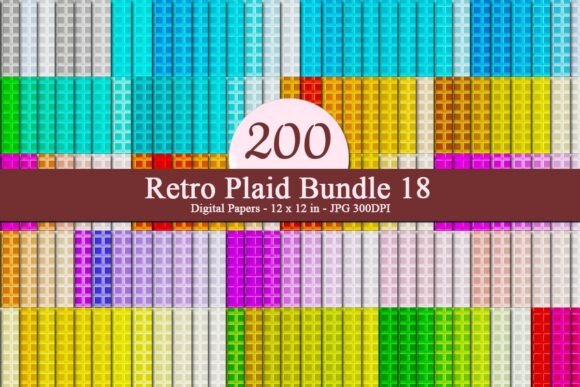
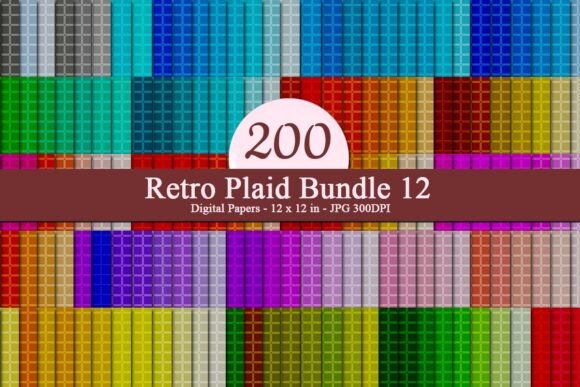
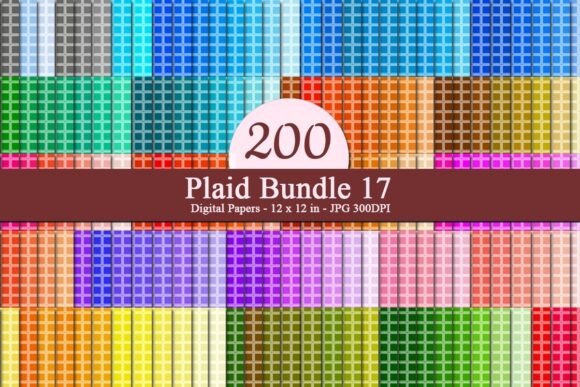
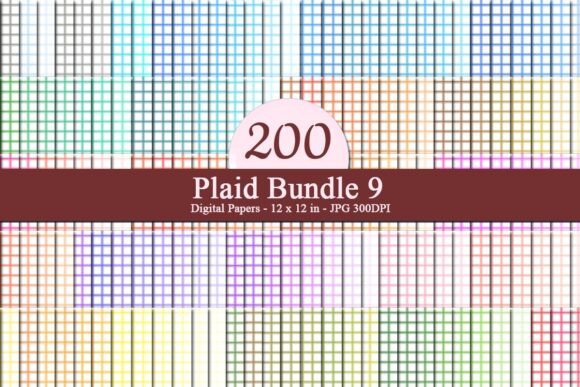
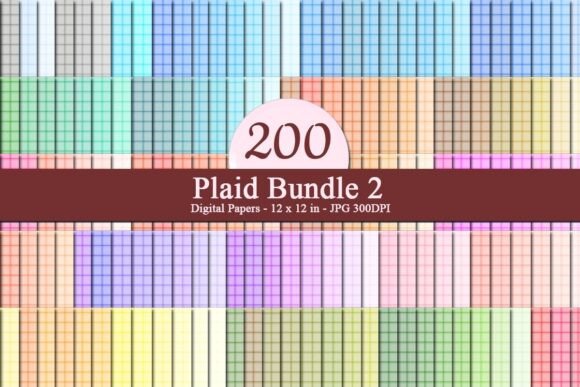
Designing for print or digital media can be a complex task, especially when it comes to selecting versatile and high-quality patterns. The Plaid Bundle 2 Digital Papers offers an extensive collection of plaid and tartan-inspired designs that cater to a wide range of creative needs—from custom merchandise like T-shirts and mugs to professional branding materials such as business cards and product packaging. With 200 JPG files at 3600×3600 pixels, 300DPI resolution, and dimensions suitable for 12×12 inch prints, this bundle is ideal for both beginners and seasoned creators. However, while its versatility is impressive, there are several common pitfalls and overlooked details that could affect your final results if not carefully considered.
Understanding What Plaid Bundle 2 Offers
The Plaid Bundle 2 Digital Papers includes over 100 plaid-style patterns, ranging from traditional Scottish tartans to modern gingham and chic scrapbook designs. These seamless textures can be applied across various formats including:
- T-shirt and apparel printing
- Stickers, phone cases, and tumbler wraps
- Invitations, planner paper, and scrapbooking backgrounds
- Product packaging and fabric design applications
- Logo creation and social media graphics
Each file is optimized for clarity and detail, ensuring your printed items look crisp and professional. The bundle supports commercial use, making it a valuable resource for entrepreneurs and small businesses looking to create branded materials without the need for custom artwork.
Common Mistakes When Choosing Digital Plaid Papers
One of the most frequent errors users make is underestimating the importance of pattern scale and repetition. Because these are seamless plaid papers, they’re meant to tile without visible breaks. If you don’t account for how the pattern will repeat in your project, you might end up with misaligned lines or jarring visual effects—especially on larger items like blankets or banners.
Another common issue is not checking color compatibility before applying the patterns. For example, using a bright rainbow plaid on a dark background may result in poor contrast and legibility. Always preview the plaid design against your chosen base color or material to ensure it looks balanced and appealing.
Overlooking File Resolution and Size Requirements
High-resolution images are essential for print quality. The Plaid Bundle 2 provides 300DPI JPGs, which is excellent for most printing purposes. But many people forget to verify their printer's requirements or the specifications of the platform they're using (like Etsy or Zazzle). Some platforms may require specific file sizes or resolutions, so it’s crucial to confirm these before downloading and applying the designs.
A better approach is to review the recommended print specs from your vendor or printer. This ensures your digital plaid won't appear blurry or pixelated after production. You can also test the pattern on a smaller item first to see how it translates into physical form.
Misusing Seamless Files for Non-Repeating Projects
Seamless plaid patterns are designed to repeat seamlessly, but not all projects benefit from that feature. For instance, if you're creating a single-use graphic like a logo or a website banner, using a full seamless pattern may introduce unnecessary complexity. Instead, choose a solid plaid image that fits the area perfectly without tiling.
To avoid this mistake, always clarify whether your design requires a repeating texture or a one-time application. Many platforms allow you to specify how the image should be used, and the Plaid Bundle 2 includes both seamless and non-seamless options. Knowing which to use can save time and prevent unsatisfactory outcomes.
Not Planning for Color Variations
With 101 colorful plaid options available, it's tempting to pick the most vibrant one. However, not every project benefits from bold colors. For example, a rustic-themed product like wooden coasters or fall décor might look more authentic with muted tones like brown plaid or autumn plaid. Similarly, using too many bright colors on a logo or brand identity can dilute professionalism.
Solution-focused advice: Match the plaid style to your brand aesthetic or event theme. Consider testing a few different color schemes using free mockup tools online. This way, you can visualize how the plaid texture will appear on your final product before committing to a design choice.
Ignoring Material Compatibility
Not all plaid designs work equally well across different materials. While a colorful plaid may look great on a cotton T-shirt, it might clash with the texture of a ceramic mug or sublimation-coated tumbler. Some plaid patterns are specifically tailored for fabric design, while others are best suited for paper-based printables or digital backgrounds.
Before applying any design from the Plaid Bundle 2, consider the surface it will go on. Ask yourself: Will the pattern stand out? Does it complement the material’s texture? Does it meet the size and resolution requirements for that medium?
If you're unsure, reach out to the vendor or consult user reviews to find examples of where each plaid has been successfully used. This can guide you toward better choices and help avoid costly reprints or revisions.
Overcomplicating Designs with Too Many Patterns
Having access to a large number of plaid styles is a strength of the Plaid Bundle 2, but it can also lead to decision fatigue or overly busy designs. Mixing multiple plaid patterns in one layout—without proper spacing or hierarchy—can confuse the viewer and reduce the overall impact of your design.
Instead of using three or four different plaids together, stick to one or two complementary designs. Use them strategically, such as pairing a subtle soft color tartan with a bold gingham plaid to create depth without overwhelming the senses. This method maintains visual harmony and keeps your message clear.
Failure to Preview Before Printing
Many designers skip the step of previewing how the plaid pattern looks when scaled up or rotated. This oversight can lead to unexpected results, particularly when working with circular items like tumbler wraps or round stickers. A square plaid may not wrap correctly unless it's adjusted for curvature.
Practical tip: Always use a mockup tool or template provided by your printing service. These tools let you see how the digital plaid paper will appear on the actual product. It’s a simple yet effective way to catch issues early and improve customer satisfaction later.
Using the Wrong Format for Web vs Print
While the Plaid Bundle 2 is perfect for printables, some users mistakenly apply it directly to web assets without optimizing the file. High-resolution JPGs may slow down website load times or look oversized on mobile screens. It’s important to resize and compress images appropriately for digital use.
For websites, logos, or social media posts, convert the plaid design to a lower resolution (72 DPI) and compress the file using tools like TinyPNG or Photoshop. This ensures fast loading speeds and a smooth user experience, while still maintaining visual appeal.
Overlooking Commercial Use Guidelines
Commercial use is a key selling point of the Plaid Bundle 2 Digital Papers, but it’s easy to overlook the specific terms of use included in the purchase. Not following these guidelines can lead to legal complications or restrictions on how you market your products.
Before launching a new line of merchandise or printables, read through the licensing agreement provided by the seller. Ensure that you understand any limitations—such as resale rights, quantity restrictions, or attribution requirements. Being informed helps you avoid mistakes and protects your business in the long run.
Underestimating the Value of Texture and Background Matching
Plaid isn’t just about color—it’s also about texture. The wrong plaid can clash with the underlying material or background of your design. For instance, a highly detailed chic plaid scrapbook may lose definition when printed on a rough-textured pillow fabric. Similarly, a plaid backdrop intended for a photo shoot might not show off the pattern properly if it's too busy or low-contrast.
To avoid this, test your chosen plaid on similar surfaces beforehand. Look for patterns labeled as “texture-friendly” or “high-contrast,” which are often designed to work well across varied substrates. This attention to detail makes a big difference in the final presentation and perceived quality of your products.
How to Maximize the Potential of Plaid Bundle 2
To get the most out of the Plaid Bundle 2 Digital Papers, start by organizing the files into categories based on color tone, pattern density, and intended use. This helps streamline your workflow and ensures you select the right plaid quickly without sifting through all 200 options each time.
Consider creating a sample kit with different plaid styles applied to common products. This gives you a reference point and allows you to experiment creatively. You might discover that a solid color plaid works best for minimalist branding, while a colorful seamless plaid adds energy to promotional materials.
Best Practices for Design Integration
When integrating plaid into your designs, keep the following tips in mind:
- Balance: Don’t let the plaid dominate the entire design. Use it as an accent or background element.
- Contrast: Ensure text or logos placed over the plaid have sufficient contrast for readability.
- Repetition: Test the seamless pattern in a tiled format to confirm it doesn’t cause unwanted visual distortions.
- Resolution: Confirm your output meets the required specs for the chosen print medium.
By following these practices, you’ll maintain a professional appearance while leveraging the creativity and variety the Plaid Bundle 2 offers.
What to Check Before Finalizing Your Choice
Before you finalize your selection from the Plaid Bundle 2, ask yourself the following questions:
- Does the plaid fit the purpose of my project (printable, background, fabric, etc)?
- Is the pattern scale appropriate for the item I’m designing?
- Will the colors work well with my brand or event theme?
- Am I using the correct file type and resolution for my platform or printer?
- Have I tested the pattern on the intended material or background?
Answering these questions thoughtfully ensures you make an informed decision and achieve the best possible outcome from your design efforts.
Conclusion: Smart Choices Lead to Better Results
The Plaid Bundle 2 Digital Papers is a powerful asset for anyone involved in print-on-demand, branding, or creative design. Its wide array of plaid patterns, including seamless tartan sets, fall plaid, and rainbow papers, opens up countless opportunities. However, success depends not only on having the right tools but also on using them wisely.
By avoiding common mistakes like ignoring resolution, mixing incompatible colors, or misapplying seamless patterns, you can enhance the usability and visual appeal of your designs. Remember, the goal is to create something that reflects your vision clearly and professionally. With the right approach, the Plaid Bundle 2 can become a cornerstone of your creative toolkit.