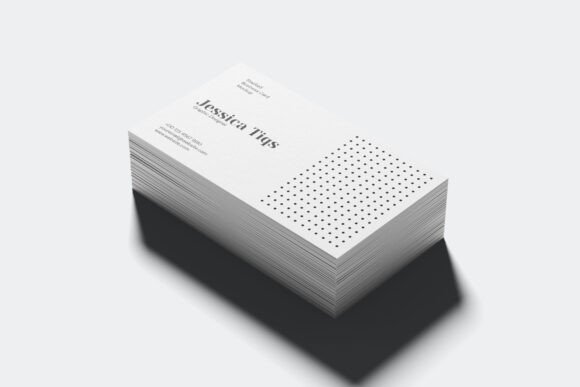
Stacked Business Card Mockup V1: A Must-Have Tool for Designers and Entrepreneurs
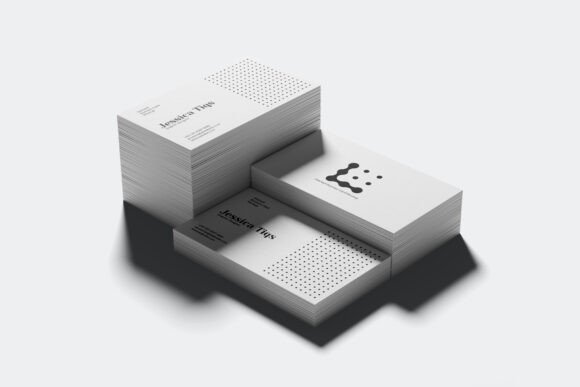
Whether you're a graphic designer, marketer, freelancer, or small business owner, presenting your work in a professional and realistic way is essential. One of the most effective tools for showcasing business card designs is the Stacked Business Card Mockup V1. This mockup allows you to visualize how your design will look when printed, especially when multiple cards are neatly stacked together. It's not just about showing off one card—it’s about conveying the overall impression your brand makes in real-world scenarios.
Why Use Stacked Business Card Mockup V1?
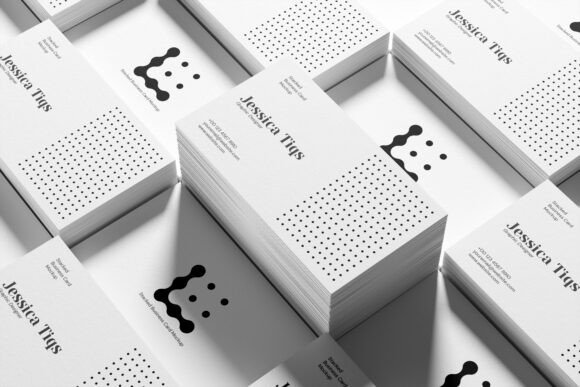
Business cards are often handed out in groups, whether at an event, on a table display, or in a portfolio. The Stacked Business Card Mockup V1 mimics this scenario perfectly by showing a clean, organized stack of cards. This presentation helps viewers understand the texture, color accuracy, and overall appeal of your design in a more tangible format than flat images alone.
What makes this mockup stand out is its flexibility. You can easily swap out your design using smart objects, change colors, and even modify the background. These features make it ideal for both beginners and professionals who want to experiment with different looks without investing in costly physical prototypes.
Key Features That Make It Stand Out
- High Resolution: Ensures crisp and clear visuals, perfect for print or digital sharing.
- Smart Object Replacement: Allows quick and easy insertion of your own business card designs.
- Layer Organization in Folders: Makes customization intuitive and user-friendly.
- Changeable Object Color: Adjust the color of the card stack to match your branding or project needs.
- Transparent Background: Enables seamless integration into any layout or website design.
Common Mistakes When Using Stacked Business Card Mockups
Despite their usefulness, many designers overlook key aspects when working with mockups like the Stacked Business Card Mockup V1. Here are some common pitfalls and how to avoid them:
1. Ignoring Color Accuracy
One major mistake is assuming that the colors in your digital design will appear the same in the mockup. Digital screens use RGB while printed materials typically use CMYK. If you don’t adjust your file accordingly before inserting it into the mockup, the final image may look misleadingly vibrant or dull.
Better Approach: Convert your design to CMYK before placing it into the mockup to ensure a more accurate representation of how it’ll look when printed.2. Not Checking Layer Structure
Even if the mockup comes with well-organized layers, it’s easy to dive right in and miss important details. For example, you might try editing the background only to find it locked within a group or hidden under other elements.
Realistic Example: A new designer tried to change the background color of the Stacked Business Card Mockup V1 but ended up distorting the lighting effect because they didn’t know which layer was responsible for the shadows. Solution: Always take a few moments to explore the layer folders and understand how each element interacts. This saves time and prevents unintended changes.3. Skipping the Smart Object Setup
Many users attempt to replace the card image manually instead of using the smart object function. While possible, this method is inefficient and can lead to misalignment or scaling issues.
Practical Tip: Double-click the smart object layer in Photoshop to open it and insert your design. This maintains proper proportions and alignment automatically.Choosing the Right Mockup for Your Needs
Not all business card mockups are created equal. Some focus on single-card views, while others—like the Stacked Business Card Mockup V1—are designed to show a cohesive set. Choosing the wrong type can undermine your presentation, especially if your target audience expects to see how multiple cards look together.
Another frequent oversight is failing to consider the context in which the mockup will be used. For instance, if you’re preparing a pitch deck for investors, a clean and professional stacked view can reinforce credibility. But if you’re showcasing individual cards for online orders, a single-card mockup might be more appropriate.
Things to Check Before Downloading or Purchasing
To avoid wasted effort or poor results, always verify these factors before using the Stacked Business Card Mockup V1:
- File Format: Confirm it's compatible with your software (usually Photoshop .PSD).
- Resolution: Ensure it’s high enough for your intended use, such as print or web display.
- Customization Options: Look for features like smart objects and color adjustments that let you tailor the mockup quickly.
- Background Flexibility: A transparent background is crucial if you plan to overlay the mockup onto other designs or websites.
- Design Size: The standard size is 89mm x 51mm, so check that your design fits properly without stretching or distortion.
How to Maximize the Value of Your Mockup
Once you’ve downloaded the Stacked Business Card Mockup V1, there are several ways to get the most out of it:
Use It for Brand Consistency Checks
By stacking multiple cards with the same design, you can spot inconsistencies in spacing, font rendering, or logo placement that might go unnoticed in a single-card preview.
Create Multiple Versions for Feedback
Test different color schemes or layouts by swapping out the smart object and adjusting the stack color. This is a great way to gather client or team feedback without printing dozens of samples.
Incorporate Into Social Media or Websites
The transparent background feature makes it easy to integrate the mockup into your portfolio site, Instagram posts, or LinkedIn profile. Just place your design over a relevant background to create a polished, professional look.
When a Stacked Mockup Might Not Be the Best Choice
While the Stacked Business Card Mockup V1 is versatile, it’s not always the best fit. Consider the following scenarios where a stacked layout could be less effective:
- If your design includes intricate patterns or textures, a single-card mockup might highlight those better.
- If you need to show the back of the card clearly, a stacked version could obscure it.
- If you’re designing ID cards or loyalty cards that are usually kept in wallets or holders, a stacked view may not reflect actual usage.
In these cases, pairing the stacked mockup with a flat or angled single-card mockup can give a more complete picture.
Best Practices for Presenting Your Designs
Here are some practical steps to follow when using the Stacked Business Card Mockup V1:
- Prepare Your Design First: Make sure your artwork is finalized and formatted correctly before inserting it into the mockup.
- Match Lighting and Texture: Observe how light reflects on the sample cards and aim to replicate that in your design for realism.
- Test Different Angles: Even though the mockup shows a neat stack, slight rotations or lighting variations can add depth and visual interest.
- Include Contextual Elements: Add a hand holding the stack, a desk surface, or a branded folder to enhance the narrative of your design.
Conclusion
The Stacked Business Card Mockup V1 is a powerful tool for anyone looking to present their business card designs professionally. However, its effectiveness depends on how thoughtfully you apply it. By understanding its features, avoiding common mistakes, and using it strategically, you can elevate your presentations and communicate your brand message more clearly.
Before committing to a mockup, always ask yourself: Does this reflect how my audience will interact with the final product? Will this help me convey quality and professionalism? These questions guide better choices and ultimately lead to more satisfied clients and stronger brand impressions.