DIY Wrap Label Templates: A Practical Guide for Small Business Owners
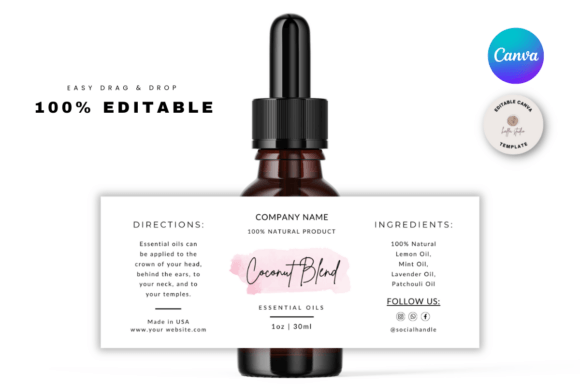
For small business owners, packaging is more than just a way to wrap a product—it's a branding opportunity. DIY Wrap Label Templates offer a creative and cost-effective solution to elevate your product’s appearance while maintaining professionalism. These templates are digital files designed specifically for wrapping around products such as bottles, jars, or small items like candles, soaps, and handmade goods. With the right template, you can turn a simple product into something eye-catching and memorable.
What Are DIY Wrap Label Templates?
DIY Wrap Label Templates are pre-designed label formats that you can customize to fit your brand identity. They come in various sizes and styles, making it easy to apply them to different types of products. One popular size is 3.75×1.5 inches, which works well for wrapping around standard-sized bottles or containers. Since this is a digital item, no printed materials will be shipped to your home—just a downloadable file ready for editing and printing.
These templates are typically created using Canva, a user-friendly online design tool. Canva allows you to make changes without needing advanced graphic design skills or expensive software. You can edit the template directly in your browser, add your logo, change colors, fonts, and even adjust the layout to suit your needs.
Why Choose DIY Wrap Labels?
- Cost-effective: Printing custom labels can be expensive, especially for small businesses with tight budgets. DIY templates let you create professional-looking designs at a fraction of the cost.
- Customizable: Every detail is within your control, from text placement to color schemes and imagery. This ensures your brand’s message and style shine through.
- Time-saving: Ready-made templates eliminate the need to start from scratch. You can quickly adapt a design and have it printed the same day.
- Consistency: Use the same template across multiple products to maintain a cohesive brand image.
Common Mistakes When Using DIY Wrap Label Templates
While DIY Wrap Label Templates are a great resource, many users make avoidable mistakes when choosing or applying them. Here are some of the most common errors and how to correct them:
1. Ignoring Template Dimensions
One of the biggest issues beginners face is not checking the actual dimensions of the template before starting their design. For example, if you’re using an 8-pack of 3.75×1.5 inch templates, but your product has a circumference that doesn’t match, your label may end up looking awkward or overlapping.
Better approach: Always measure your product carefully and compare it to the template size. If there's a mismatch, use Canva's resizing feature to adjust the template before finalizing your design.2. Overlooking Bleed and Trim Areas
If you're planning to print your labels professionally at stores like Staples or Vistaprint, it’s important to understand bleed and trim areas. The bleed area is the part of the design that extends beyond the cutting edge, ensuring there are no white borders after trimming. Many users forget to include a small bleed (typically 0.125 inches) when designing their labels, leading to unsightly edges.
Better approach: When downloading your template, look for versions that already include bleed zones. If not, manually extend your design by about 1/8 inch on all sides using Canva’s canvas settings. This small step can make a big difference in the final look of your label.3. Choosing the Wrong File Format
Some users download the wrong file type or don’t know what to do with the .zip file they receive. While PDF is great for viewing and printing, other formats like PNG or JPEG might be better for specific printing services or social media promotions.
Better approach: After downloading the .zip file, extract it and review the contents. Most templates will include both editable Canva links and high-resolution print-ready files. Choose the format that best suits your printing method and always double-check resolution (300 DPI is ideal for professional printing).4. Skipping Print Testing
It’s tempting to print directly after finalizing your design, but skipping a test print can lead to unexpected results. Colors may look different on paper than on screen, and alignment issues can cause the label to appear crooked or misaligned.
Better approach: Before printing in bulk, print one sample label using the same printer and paper type you plan to use for the final run. Check for color accuracy, alignment, and overall quality. Make adjustments in Canva if needed and re-print until you’re satisfied.Choosing the Right Template for Your Brand
With so many options available, selecting the perfect DIY Wrap Label Template can feel overwhelming. Here are some tips to help you choose wisely:
- Understand your brand identity: Look for templates that reflect your brand’s personality. A minimalist design might suit a luxury product, while bold colors and patterns could work better for a playful, niche market.
- Consider your product: The label should complement the item it wraps. For example, a narrow jar might require a vertical layout, while a wide bottle could support a horizontal design.
- Think about readability: Avoid cluttering the label with too much text. Keep it clean and ensure key information like your brand name, product name, and any logos are clearly visible.
- Use high-quality assets: Poor image resolution or pixelated graphics can ruin the look of your label. Canva provides access to thousands of high-resolution images, icons, and fonts—use those instead of low-quality stock images.
How to Customize Your DIY Wrap Label Template Effectively
Canva makes customization easy, but knowing how to use its tools efficiently can save you time and improve your final output. Here’s how to get the most out of your DIY Wrap Label Template:
- Start with a clear vision: Know what you want to convey with your label. List the key elements: logo, product name, tagline, ingredients, barcode, etc.
- Adjust layers and spacing: Canva allows you to move text boxes and images freely. Take advantage of this to balance your layout and avoid overcrowding.
- Use brand colors and fonts: Consistency in design is crucial. Stick to your brand’s color palette and font choices to maintain a cohesive look across all marketing materials.
- Download the right version: When exporting your label from Canva, choose “Print” rather than “Screen.” This ensures the file is optimized for physical printing.
Real-World Example
Imagine you own a small candle company. You purchase a set of 8 DIY Wrap Label Templates and select one that features a subtle background texture and elegant typography. You upload your logo, adjust the color scheme to match your packaging, and add the scent name and key ingredients. After a test print, you notice the text appears too small. By increasing the font size slightly and adjusting the margins in Canva, you achieve a polished result that looks great on your candles and aligns perfectly with your brand image.
Where to Print Your DIY Wrap Labels
You have two main options for printing your DIY Wrap Label Templates:
- Home printing: If you have a good quality printer and label adhesive sheets, you can print and cut your labels at home. This is ideal for small batches or testing.
- Professional printing: Stores like Office Depot, Staples, or online services like Vistaprint offer high-quality label printing. Bring your finalized PDF file and specify the paper type and finish (matte or glossy) based on your product.
No matter where you choose to print, always confirm the printing service supports the file format and size you’ve used. Some printers may require specific file types or bleed settings, so it's wise to contact them ahead of time or check their guidelines online.
What to Check Before Finalizing Your Purchase
To avoid frustration and wasted time, consider these factors before buying a DIY Wrap Label Template:
- Is it digital only? Make sure the description clearly states that no physical item will be shipped. This helps you manage expectations and avoid confusion during checkout.
- Can it be edited easily? Confirm that the template comes with a Canva link or another editable format. A non-editable template won't serve your needs if you want to personalize it.
- Does it include multiple sizes? Some templates provide variations in size or orientation, which can be useful if you sell different products.
- Are there instructions included? The best templates come with a short guide or tutorial explaining how to use the file and prepare it for printing.
Final Thoughts on DIY Wrap Label Templates
DIY Wrap Label Templates are a powerful tool for small business owners who want to enhance their product presentation without breaking the bank. By understanding the basics of label sizing, bleed areas, and print readiness, you can avoid common pitfalls and create professional-looking labels that resonate with your customers.
Remember, these templates are designed to be simple yet effective. With a bit of attention to detail and a willingness to test and refine your design, you’ll be able to produce labels that look great and reflect your brand’s values. Whether you’re an entrepreneur launching a new product line or a hobbyist selling handcrafted goods, taking the time to learn how to use these templates correctly can significantly boost your sales and customer satisfaction.
So next time you’re shopping for packaging solutions, consider DIY Wrap Label Templates. They’re flexible, affordable, and made for people like you who value creativity and efficiency. Just remember to verify the details, test your prints, and keep your brand’s voice at the center of every design decision.